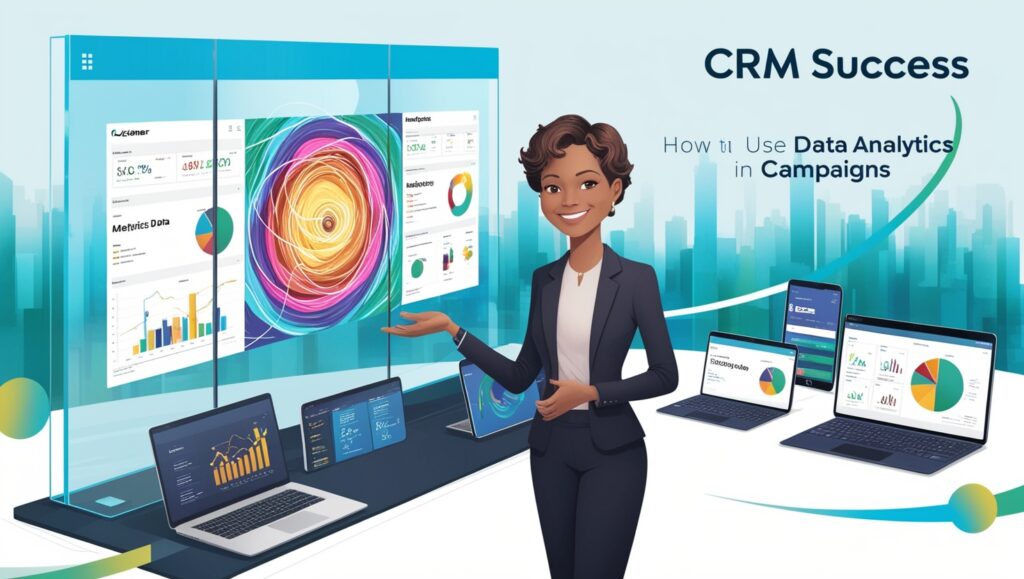
To Use Data Analytics in Campaigns effectively, businesses can unlock CRM success by analyzing customer data to tailor marketing strategies. This approach enhances the customer experience, improves conversion rates, and boosts satisfaction. A clean CRM database ensures high data quality, enabling informed decisions based on historical insights. By identifying key data points throughout the customer journey, organizations can enhance loyalty and maximize customer lifetime value. Leveraging CRM analytics reports allows teams to refine their sales processes, ultimately unlocking the full potential of their customer relationship management systems.
How does CRM Data Analytics help in Campaign Optimization?
Use Data Analytics in Campaigns enables businesses to gain valuable insights into customer behavior, tailoring marketing strategies to match trends and preferences. By tracking campaign performance in real-time, companies can make timely adjustments, leading to improved engagement and higher conversion rates, ultimately enhancing overall campaign effectiveness.
Types of Data Used in CRM Campaigns
Here’s the information organized into a table format:
| Data Type | Importance in CRM Campaigns |
|---|---|
| Customer Demographics | Helps understand the target audience’s age, gender, and location. |
| Purchase History | Provides insights into customer behavior for personalized marketing. |
| Engagement Metrics | Assesses campaign effectiveness through email open and click-through rates. |
| Customer Feedback & Surveys | Refines strategies and improves overall customer satisfaction. |
What Are the Benefits of Using Data Analytics in CRM?
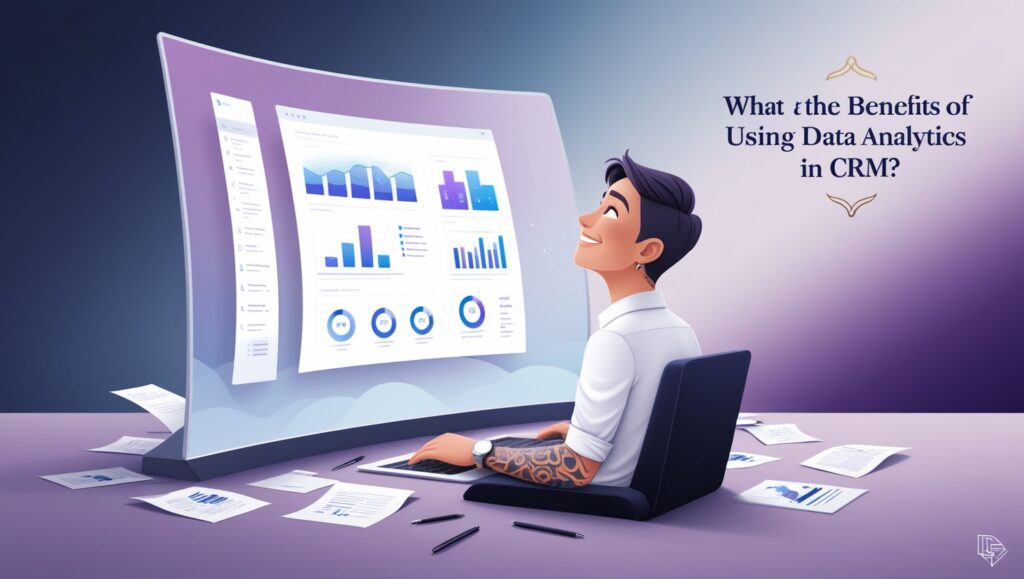
- Enhances decision-making with insights into customer behavior
- Enables tailored marketing efforts, boosting engagement and satisfaction
- Identifies trends and opportunities for growth
- Allows more effective resource allocation
- Increases overall sales performance
How to Implement Data Analytics in Your CRM System?
Implement data analytics in your CRM by defining KPIs aligned with business goals, integrating analytics tools for actionable insights, and regularly reviewing reports. This approach optimizes customer engagement strategies and enhances decision-making.
Choosing the Best CRM Software for Data Analytics
- Prioritize CRM software with strong data visualization and reporting features.
- Ensure seamless integration with existing systems for streamlined workflows.
- Opt for user-friendly tools with robust customer support for effective usage.
- Choose a scalable solution to accommodate future business growth.
Best Practices for Data Management in CRM
Data Accuracy is crucial in CRM systems; regular audits help maintain clean records.
Additionally, user training ensures that staff understand how to input and manage data effectively, minimizing errors.
Implementing automated backups protects against data loss, while clear data governance policies guide usage and compliance.
What Tools Are Available for CRM Data Analysis?
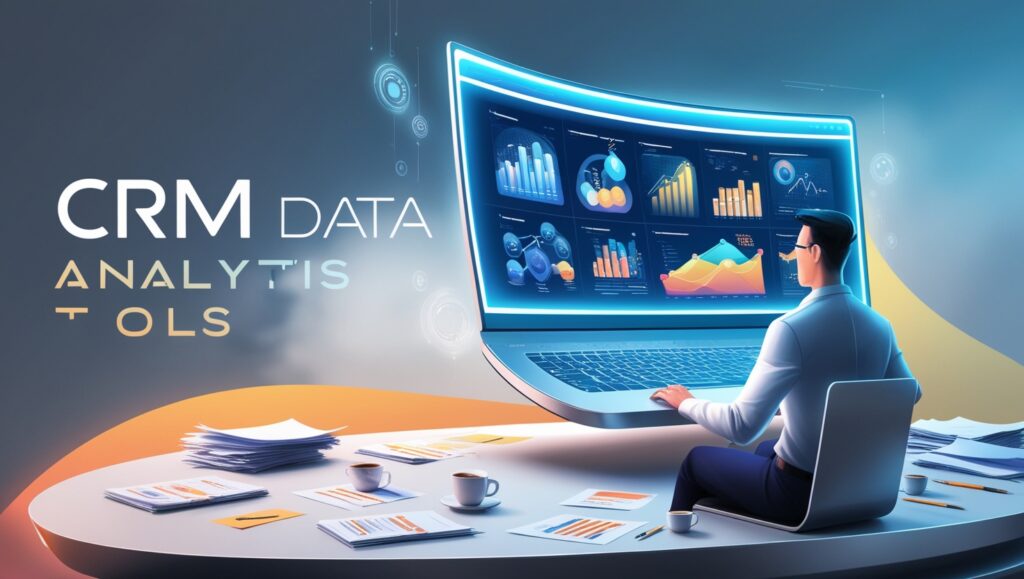
Enhance CRM data analysis with tools like Tableau for data visualization, Excel for spreadsheet analysis, and Google Analytics for tracking online interactions. Salesforce’s built-in analytics and Python’s Pandas library offer robust options for deeper data insights.
Advanced Analytics Techniques for CRM Systems
| Advanced Analytics Technique | Description |
|---|---|
| Data Mining | Extracts patterns from CRM data to provide deeper customer insights. |
| Machine Learning | Enables predictive modeling to anticipate customer behavior and optimize strategies. |
| Predictive Analytics | Identifies potential customer churn and allows targeted interventions. |
| Sentiment Analysis | Analyzes customer feedback to improve products and satisfaction levels. |
Overview of Popular CRM Analytics Tools
| CRM Analytics Tool | Key Features |
|---|---|
| Salesforce | Advanced reporting and data visualization tools. |
| HubSpot | User-friendly interface with essential analytics. |
| Zoho CRM | Comprehensive data analysis and customization. |
| Microsoft Dynamics | Robust data insights for informed decision-making. |
Difference Between Sales and Marketing Through Data
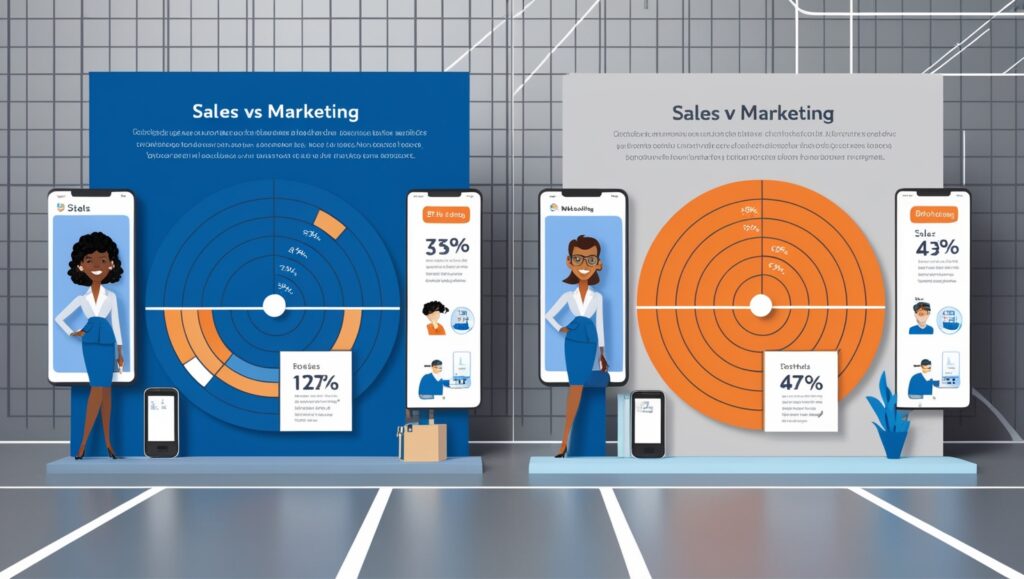
| Aspect | Sales | Marketing |
|---|---|---|
| Primary Focus | Converting leads into customers; closing deals | Creating brand awareness; attracting and engaging leads |
| Objective | Achieve immediate revenue through direct customer sales | Build long-term brand presence and generate qualified leads |
| Timeframe | Short-term, focusing on immediate sales goals | Long-term, focusing on nurturing customer relationships |
| Activities | Customer outreach, product demos, negotiations, closing | Advertising, content creation, market research, SEO |
| Metrics of Success | Sales targets, revenue growth, conversion rates | Lead generation, brand reach, customer engagement |
| Interaction with Leads | Direct, one-on-one engagement with prospects | Broad audience reach through campaigns and promotions |
| Feedback Role | Provides feedback on lead quality and market response | Adjusts strategies based on sales feedback and analytics |
In Conclusion
Incorporating data analytics into CRM campaigns is essential for driving smarter, more targeted marketing efforts. By leveraging insights into customer behavior, businesses can create personalized strategies that resonate with their audience. This approach not only improves engagement and satisfaction but also boosts conversion rates and sales performance. Ensuring high data quality, selecting the right CRM tools, and adopting advanced analytics techniques enable companies to maximize their CRM value. Ultimately, the effective use of data analytics in campaigns enhances decision-making and helps organizations build stronger, long-lasting customer relationships.