To Optimize Your URL Structure, create SEO-Friendly, concise URLs that improve both user experience and search engine rankings. Include relevant keywords in URLs to help search engines understand the content, and use static, clean, and descriptive URLs without complex parameters. Shorter URLs with lowercase letters rank better and enhance readability. Applying these best practices for URL optimization improves your site’s technical SEO and boosts visibility on search engines, ultimately supporting a higher page rank.
Why Is Optimize Your URL Structure Important?
Optimizing your URL structure is vital because it improves search engine rankings and enhances user experience. Well-structured URLs with relevant keywords help search engines understand page content, boosting visibility in search results. Clean, concise URLs are easier for users to read and remember, increasing click-through rates. Properly optimized URLs also contribute to better technical SEO, which improves page loading speed and indexing. By focusing on SEO-friendly URL structures, you enhance both site performance and discoverability, driving more traffic and engagement.
Do URLs Affect SEO Rankings
Yes, URLs impact SEO rankings. Short, SEO-friendly URLs with relevant keywords improve visibility and make indexing easier for search engines. Clear, structured URLs help both search engines and users understand page content, boosting click-through rates. Concise URLs also aid in navigation and ranking higher in search results. Using well-optimized URLs is a key step in enhancing your site’s overall SEO performance.
Makes a URL SEO-Friendly
- Keep URLs Short and Descriptive: Improves user experience and readability.
- Use Keywords in URLs: Helps search engines understand page content for better ranking.
- Optimize URL Structure: A clean, structured URL strategy boosts SEO performance.
- Avoid Unnecessary Parameters: Keeps URLs simple and more shareable.
- Focus on Relevance: Craft URLs that are easy to remember, enhancing SEO and user engagement.
Should You Optimize Your URLs
Optimizing your URLs is essential for enhancing your website’s visibility. Well-structured URLs help search engines understand your content better, leading to improved rankings. Additionally, clean and descriptive URLs help users navigate your site more easily, increasing the likelihood of clicks. By incorporating relevant keywords, you can further boost your SEO efforts, making URL optimization a crucial aspect of your online strategy.
Best Practices for Creating SEO-Friendly URLs

Creating SEO-friendly URLs boosts visibility by using relevant keywords, keeping them short and descriptive, and avoiding unnecessary parameters. Use hyphens to separate words for clarity, and opt for static URLs over dynamic ones. This approach improves both user experience and search engine indexing.
Are the Key Elements of a Good URL Structure
Here is a table summarizing the key elements for creating an SEO-friendly URL structure:
| Key Element | Description |
|---|---|
| Keyword Relevance | Ensures the URL reflects the page content, aiding search engine optimization. |
| Hyphens for Separation | Improves readability and SEO by using hyphens instead of spaces or underscores. |
| Short and Simple URLs | Makes URLs easy to remember and share, enhancing user experience. |
| Consistent Hierarchical Structure | Helps users navigate the site more effectively and improves overall site structure. |
Use Keywords in Your URLs Effectively
Using relevant keywords in concise, descriptive URLs enhances SEO by helping search engines understand page content. Avoid unnecessary characters, use hyphens for readability, and maintain consistent URL structures for better indexing. A well-optimized URL improves click-through rates and user experience, making it essential for your SEO strategy.
How to Optimize Your URL Structure for Search Engines
To optimize your URL structure, keep URLs concise and descriptive with relevant keywords. Use hyphens to separate words and avoid special characters or unnecessary parameters. A consistent URL structure across your site improves search engine indexing and enhances user navigation, making your pages easier to crawl and understand.
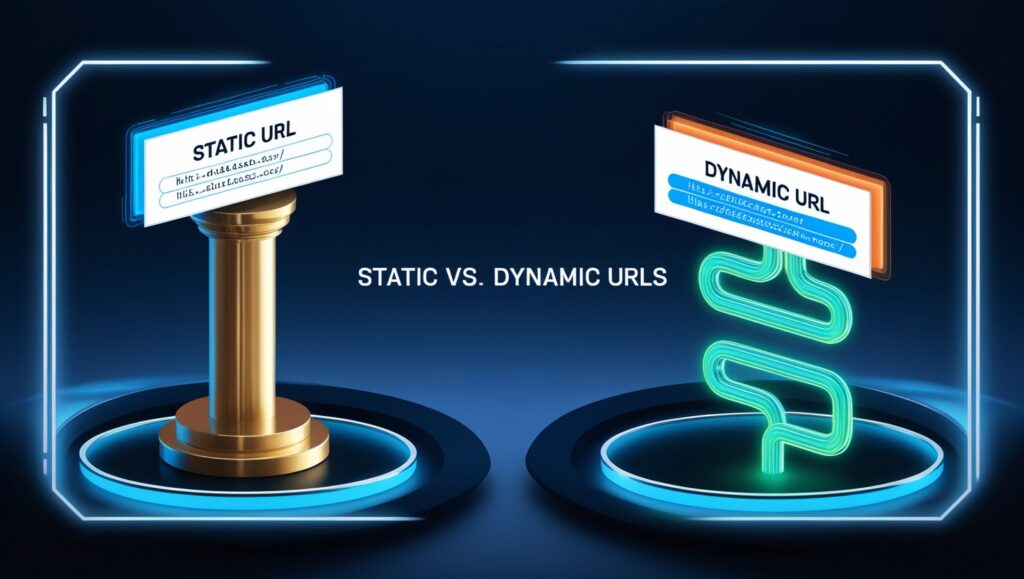
Differences Between Static and Dynamic URLs
| Aspect | Static URLs | Dynamic URLs |
|---|---|---|
| Structure | Fixed, unchanging URL | Changes based on user interaction or query |
| SEO | More SEO-friendly, easier to index | Can be less SEO-friendly due to complexity |
| Readability | Simple, clean, and easy to remember | Often contains parameters, making them harder to read |
| User Experience | More user-friendly and memorable | May confuse users due to complexity |
| Content | Displays fixed content | Displays content based on specific queries |
Fix Old URLs for Better SEO
Fixing broken or outdated URLs is crucial for SEO. Use 301 redirects to guide users and search engines to the correct pages, preserving link equity. Regular URL audits maintain a healthy site structure, improving both search rankings and user experience, ultimately enhancing online visibility.
Long URLs Can Hurt Your SEO
- Long URLs hinder search engine crawling and indexing.
- They can confuse users and increase bounce rates.
- Concise, descriptive URLs improve user experience and SEO.
- Shorter URLs are more shareable, boosting traffic and rankings.
Tools and Techniques for URL Optimization
URL Optimization is essential for enhancing website visibility and improving user experience. Utilizing tools like Google Search Console can help identify issues with URLs and suggest improvements. Techniques such as keyword incorporation and shortening URLs make them more readable and relevant. Additionally, employing URL redirects properly ensures that users and search engines are directed to the correct pages, maintaining site integrity.
Tools Can Help You Optimize Your URL Structure
URL Optimization is crucial for improving search engine visibility and user experience. Tools like Google Search Console help analyze URL performance and identify issues. Additionally, SEMrush provides insights into keyword usage and competition, enabling better URL structuring. Yoast SEO is another excellent tool for WordPress users, guiding them in creating SEO-friendly URLs that enhance click-through rates.
Real-World Examples of SEO-Friendly URLs
- Use Keywords in URLs: Includes relevant keywords for better visibility.
- Descriptive E-commerce URLs: Clarifies product content.
- Clear Content Focus: indicates the topic clearly.
- Organized Structure: Provides context with descriptive keywords.
- Hyphen Separation for Readability: Is user-friendly and SEO-effective.
You Learn from Poor URL Structures
Understanding poor URL structures can provide valuable insights into web development and SEO practices. By analyzing how inefficient URLs affect user experience, you can identify common pitfalls to avoid. This knowledge not only enhances your ability to create clean, descriptive URLs but also improves site navigation. Ultimately, learning from these mistakes fosters a deeper appreciation for the importance of effective URL design in driving traffic and engagement.
Frequently Question Answers
| Q1: Why is optimizing your URL structure important for SEO? |
| A: Optimizing URL structure is essential for SEO because it enhances both search engine visibility and user experience. Clean, descriptive URLs with relevant keywords help search engines understand content and rank pages more effectively. Concise URLs are easier for users to read and remember, increasing click-through rates and engagement. |
| Q2: What are some best practices for creating SEO-friendly URLs? |
| A: To create SEO-friendly URLs, use relevant keywords, keep URLs short and descriptive, and avoid unnecessary parameters. Use hyphens to separate words for clarity, maintain a consistent structure, and opt for static URLs over dynamic ones. These practices improve user experience and make pages easier for search engines to index. |
| Q3: How can tools like Google Search Console help with URL optimization? |
| A: Google Search Console helps optimize URLs by identifying issues, tracking performance, and offering insights on improvements. It highlights broken links, suggests areas for better structuring, and provides data on keyword visibility. This supports creating cleaner, SEO-friendly URLs that improve site ranking and user engagement. |