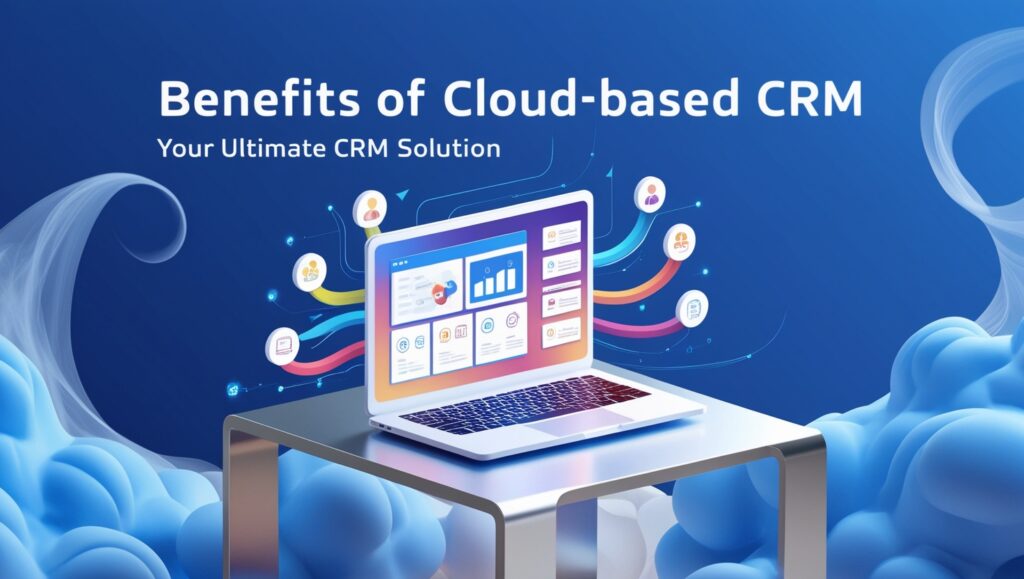
The Benefits of Cloud-Based CRM include simplified sales processes, task automation, and remote access via the Internet. These systems enhance customer engagement and satisfaction with mobile apps and scalable user options. Cloud-based CRMs also ensure robust security and offer data-driven insights, improving customer management and decision-making. Additionally, they streamline operations and provide tools for effective sales management.
What is Cloud-Based CRM and How Does it Work?
Benefits of Cloud-Based CRM include easy access via any device, centralized data storage, and reduced costs. It integrates with other tools, streamlining operations and ensuring businesses stay on top of marketing and sales opportunities while managing customer relationships efficiently.
Key Features of Cloud CRM Software
- Scalability: Supports business growth without limitations.
- Integration Capabilities: Connects seamlessly with existing tools and systems.
- Analytics Features: Provides insights into customer interactions and performance.
- User-Friendly Interface: Easy for team members to adopt and use.
What Are the Benefits of Cloud-Based CRM for Small Businesses?
| Benefit | Description |
|---|---|
| Enhanced Accessibility | Access customer data anytime, anywhere, improving collaboration and response times. |
| Scalability | Adjust CRM resources as the business grows without significant upfront costs. |
| Automated Features | Streamline operations and save time on routine tasks, allowing focus on customer relationships. |
What Types of CRM Solutions Are Available in the Cloud?
- Automated CRM Solutions: Streamline processes and enhance efficiency through automation.
- Integrated CRM Solutions: Seamlessly integrate with other tools for a unified approach to customer management.
- Growth-Focused CRM Solutions: Enhance customer engagement and drive business growth with advanced features.
Exploring Different Types of Cloud-Based CRMs
- Operational CRM: Focuses on automating and streamlining customer-facing processes like sales, marketing, and customer service.
- Collaborative CRM: Enhances communication and collaboration between different departments, ensuring seamless customer interactions.
- Strategic CRM: Aims to optimize long-term customer relationships by aligning strategies with customer needs and preferences.
How to Adopt a Cloud-Based CRM Solution Effectively?
To implement Cloud CRM, assess business needs, choose a user-friendly platform, and involve key stakeholders. Migrate data securely, train your team, and monitor performance for continuous improvement to align the system with evolving business goals.
Understanding Pricing Models for Cloud-Based CRM:
- Subscription-Based Pricing: Fixed monthly or annual fees, often based on user count or features.
- Usage-Based Pricing: Costs vary depending on system usage, such as a number of contacts or interactions.
- Evaluation Factors: Scalability, features, and support are key to selecting the best pricing model for your business.
In Conclusion
The Benefits of Cloud-Based CRM are clear: enhanced accessibility, scalability, and streamlined operations that empower businesses to manage customer relationships more efficiently. With features like automation, integration, and data-driven insights, cloud-based CRM systems improve customer engagement and satisfaction while providing a secure, flexible solution for growth. By adopting the right cloud CRM, businesses can optimize their sales processes and make more informed decisions, all while keeping costs in check and ensuring seamless collaboration across teams. Embrace the power of cloud-based CRM for smarter, more effective customer management.
Why Businesses Prefer Cloud-Based CRM Solutions
Businesses prefer cloud-based CRM solutions because they offer flexibility, cost savings, and easy accessibility. Employees can access customer information from anywhere using mobile devices or computers connected to the internet. This improves collaboration between teams and helps businesses respond quickly to customer needs.
Cloud CRM systems also reduce the need for expensive hardware and IT maintenance. Most providers offer automatic updates, ensuring businesses always use the latest features and security improvements. Additionally, cloud-based solutions support business growth by allowing companies to scale users and features based on changing requirements.
Another major advantage is improved data security and backup options. Reliable cloud CRM providers use advanced encryption and secure servers to protect customer information. These features make cloud-based CRM systems an ideal choice for businesses looking to improve efficiency, customer satisfaction, and long-term growth.