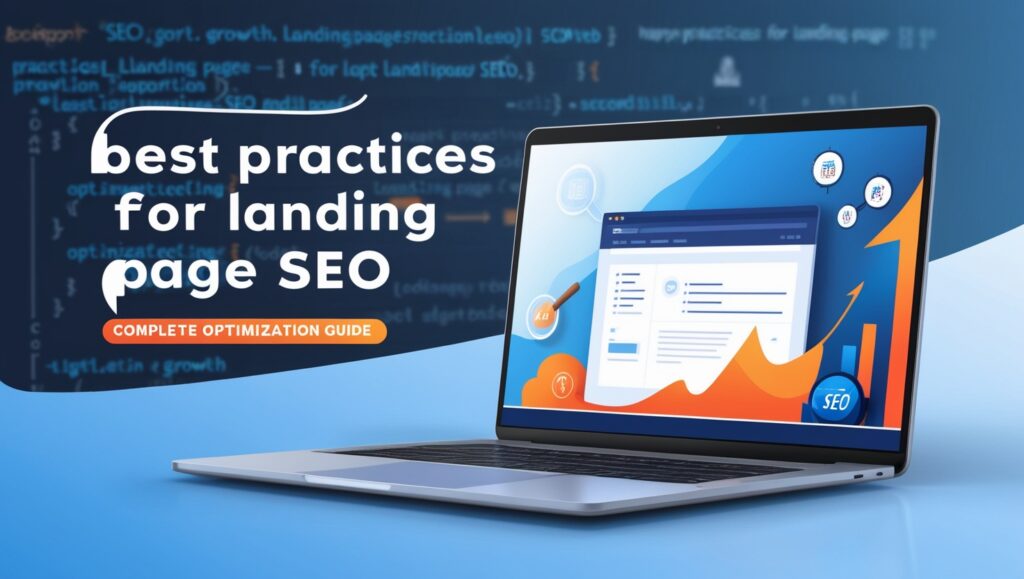
To improve your Landing Page SEO, follow these Best Practices for Landing Page SEO. First, ensure fast page load speeds, as search engines prioritize quick-loading pages. Use optimization tools to analyze performance and make adjustments. Create long-form content that integrates relevant keywords to enhance rankings and conversions. Monitor traffic with Google Analytics to understand visitor behavior, and revise your SEO strategy based on insights gained. By implementing these practices, you can significantly boost your landing page’s visibility and effectiveness in attracting and converting visitors.
What are the Best Practices for Landing Page SEO?
Landing Page SEO focuses on optimizing web pages to enhance visibility and conversions. Key elements include tailoring content to the target audience, using relevant keywords, and implementing clear calls to action. Regular analysis and adherence to best practices are essential to improve engagement and ensure landing pages effectively convert visitors into leads or customers.
Understanding SEO for Landing Pages
- Importance of SEO: Essential for driving traffic and improving conversions on landing pages.
- Keyword Research: Find relevant keywords that resonate with your target audience.
- Revise Messaging: Adjust the landing page message to align with user intent if conversions are low.
- Funnel Traffic Effectively: Design conversion-focused landing pages to enhance conversion rates.
- Optimization Strategies: Implement effective strategies to guide traffic and ensure a high-converting experience.
- Regular Updates: Update landing pages with new keywords to improve performance over time.
- Continuous Refinement: Optimize content and layout to attract more visitors and convert them into leads or customers.
Importance of Landing Page Optimization
| Pros | Misalignment with user intent can reduce the effectiveness |
|---|---|
| Maximizes online marketing efforts | Wasted traffic if not converting |
| Attracts the right audience with keywords | Poor design/content can lead to failures |
| Encourages visitor action | Common mistakes can increase bounce rates |
| Provides a comprehensive optimization guide | Requires continuous monitoring and adjustments |
| Tailored for success with targeted elements | Potential for underperformance if ignored |
| Enhances user experience and conversion goals | Misalignment with user intent can reduce effectiveness |
How to Optimize Your Landing Page for Search Engines?
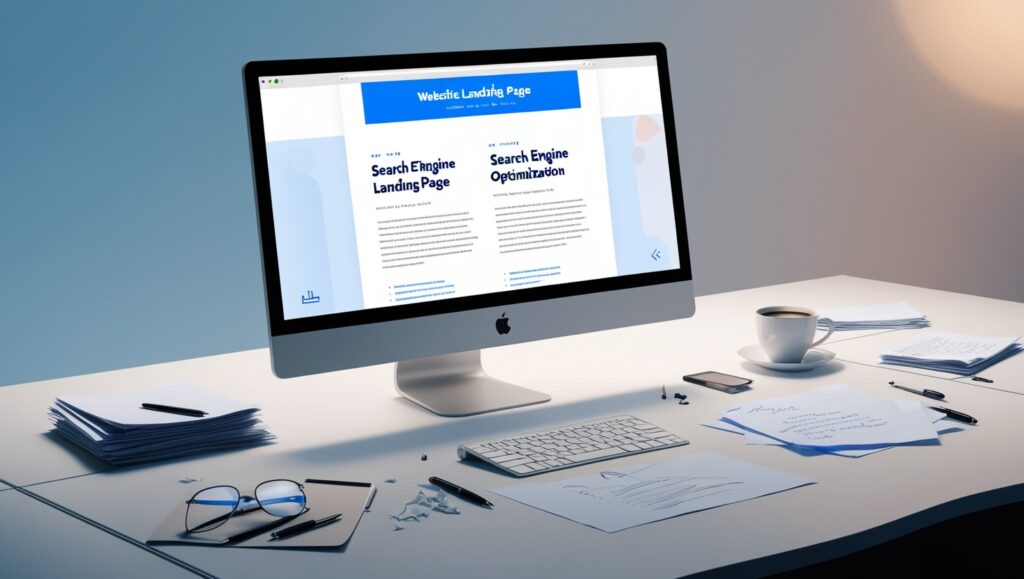
To optimize your landing page for search engines, conduct keyword research and incorporate relevant terms into titles, headings, and content. Ensure a clean, responsive design, use meta descriptions and alt text, improve page speed, and include internal and external links for enhanced visibility and SEO performance.
Key Elements of an SEO-Friendly Landing Page
| Key Element | Include clear and compelling calls to action to guide users towards desired actions and boost conversions. |
|---|---|
| Targeted Keywords | Incorporate relevant keywords in the title, headings, and body content for better search relevance. |
| Meta Descriptions | Optimize meta descriptions to enhance visibility in search results. |
| Alt Tags for Images | Use descriptive alt tags for images to improve SEO and accessibility. |
| Loading Speed | Ensure fast loading times to enhance user experience and reduce bounce rates. |
| Mobile Responsiveness | Design for mobile compatibility to retain visitors across devices. |
| Clear Calls-to-Action | Include clear and compelling calls-to-action to guide users towards desired actions and boost conversions. |
Tips to Optimize Your Landing Page Content
- Compelling Headline: Start with a clear headline that grabs attention instantly.
- Engaging Copy: Keep copy concise and focus on benefits relevant to your target audience.
- Strong Calls to Action: Include clear, action-driven prompts to guide users (e.g., “Sign Up” or “Buy Now”).
- Visual Enhancements: Use images or videos to boost visual appeal and retain user interest.
- Focus on Conversions: Prioritize elements that lead to higher conversion rates.
How to Improve Landing Page Conversion Rates?
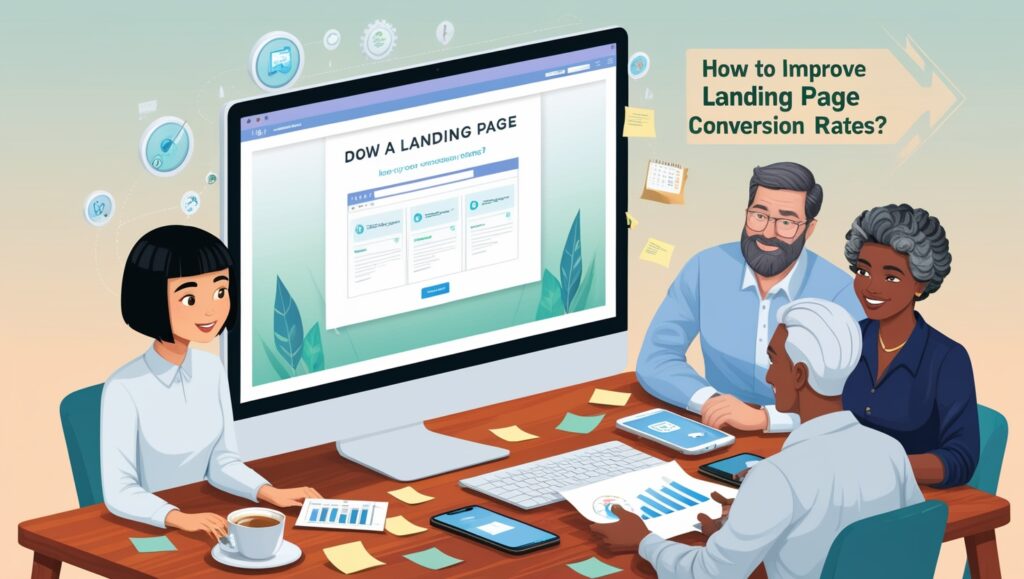
Boost landing page conversions by using a clear, compelling headline and concise, persuasive copy to highlight your offer’s value. Add strong calls to action (CTAs) to guide visitors toward desired actions, like signing up or purchasing. Ensure the design is mobile-friendly and visually appealing, and apply A/B testing to refine elements based on performance.
Identifying Best Practices for Landing Page SEO
- Optimize for Speed: Ensure fast page loading times, as speed is a crucial factor for both user experience and SEO rankings.
- Use Targeted Keywords: Incorporate relevant keywords naturally into title tags, headings, and content for better search engine visibility.
- Mobile-Friendly Design: Create a responsive landing page that works well across devices to improve user experience and SEO.
- Engaging Meta Descriptions: Write compelling meta descriptions and use alt tags for images to enhance search engine visibility.
- Clear Call-to-Action (CTA): Guide visitors with a prominent, action-focused CTA to improve conversion rates.
Using A/B Testing for Landing Page Optimization
A/B testing for landing page optimization lets marketers compare two-page versions to see which performs better. By analyzing real user interactions, businesses can make informed adjustments to improve engagement and conversion rates, leading to continuous enhancements aligned with user preferences.
In Conclusion
Implementing the Best Practices for Landing Page SEO can transform your webpage into a high-performing tool that attracts and engages visitors. By focusing on essential elements like fast loading speeds, relevant keywords, responsive design, and clear calls-to-action, you can significantly enhance your page’s visibility and conversion rates. Regularly updating and optimizing your landing page based on real user data allows for continuous improvement, helping your page better serve its purpose over time. With these best practices, you’ll set a strong foundation for success and ensure your landing page reaches its full potential.