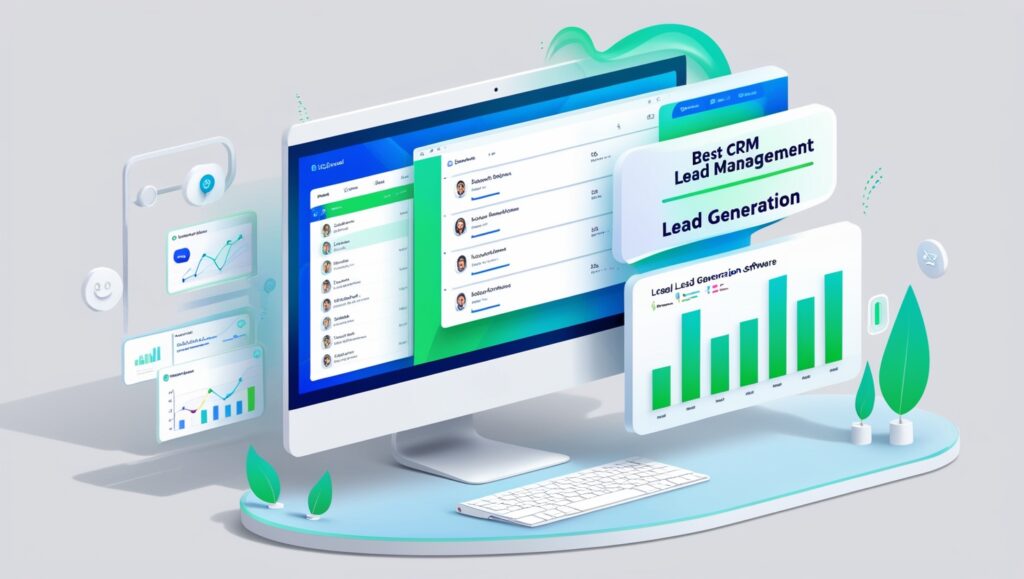
As businesses focus on lead generation in 2024, choosing the Best CRM and Lead Management Software is crucial. A strong CRM platform offers key features like lead capture forms, lead scoring, segmentation, and pipeline management. These tools help prioritize qualified leads and streamline marketing efforts. Integrating tools like Facebook lead ads and nurturing workflows can further enhance lead conversion. When selecting a CRM, ensure it aligns with your lead generation strategy, and take advantage of free trials to test the platform’s effectiveness in driving growth and improving customer relationships.
What Are the Best CRM Platforms for Lead Management?
When selecting the Best CRM and Lead Management Software, several top options stand out. Salesforce is renowned for its robust features and high customization capabilities, making it ideal for businesses of all sizes. HubSpot offers a user-friendly interface with seamless integration into marketing tools. Zoho CRM is an affordable choice with comprehensive features, perfect for small to medium-sized businesses. Pipedrive provides a visual sales pipeline, allowing teams to track leads efficiently and stay organized throughout the sales process. Each of these platforms offers unique strengths to enhance lead management strategies.
Key Features of a Good CRM for Lead Generation
| Key Feature | Description |
|---|---|
| Automated Lead Tracking | Tracks interactions with potential clients seamlessly. |
| Segmentation Tools | Categorizes leads based on criteria for targeted marketing. |
| Integration Capabilities | Integrates with email marketing, social media, and other platforms for enhanced outreach and communication. |
Comparing HubSpot CRM and Zoho CRM
| Feature | HubSpot CRM | Zoho CRM |
|---|---|---|
| Ease of Use | User-friendly interface, ideal for small to medium businesses | More customizable, suited for larger enterprises with complex workflows |
| Marketing Automation | Robust marketing automation capabilities | Marketing features available, but not as extensive as HubSpot |
| Customization | Limited customization options | Extensive customization and integration options |
| Target Audience | Small to medium-sized businesses | Larger enterprises with complex needs |
| Integration | Limited integrations but covers essential tools | Extensive integration options with various apps |
| Pricing | Free version available, paid plans for advanced features | Offers flexible pricing, more suitable for enterprises with bigger budgets |
| Best For | Businesses seeking simplicity and automation | Businesses needing flexibility, customization, and advanced features |
What Are the Benefits of Using Automation Software in Lead Management?
- Time Savings: Automates repetitive tasks, allowing teams to focus on high-value activities.
- Enhanced Lead Tracking and Scoring: Helps prioritize the most promising prospects for sales teams.
- Data Analytics Insights: Provides valuable data for informed decision-making and targeted marketing.
- Improved Efficiency: Streamlines the lead management process, increasing overall productivity.
- Higher Conversion Rates: Optimizes lead nurturing, leading to better conversion outcomes.
- Better Customer Experience: Ensures consistent and personalized interactions with leads.
Integrating Email Marketing Tools with CRM for Better Results
Integrating Email Marketing Tools with CRM systems enhances marketing by enabling personalized messaging, better audience segmentation, and seamless tracking of customer interactions. This data-driven approach improves engagement, boosts conversion rates, and leads to more informed strategies, ultimately driving better results for businesses.
Steps to Set Up a Lead Management System
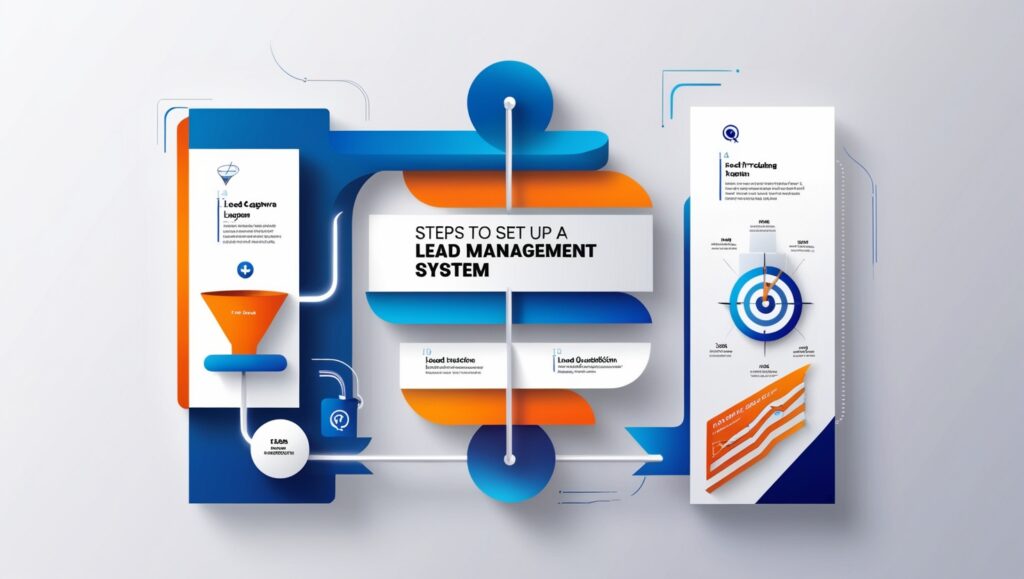
- Define Lead Criteria: Identify the types of leads you want to capture.
- Choose Suitable Software: Select a platform that fits your business needs and integrates well with existing tools.
- Configure the System: Set up automation for lead capturing and nurturing processes.
- Establish Metrics: Define key metrics to evaluate lead conversion rates.
- Refine Your Approach: Continuously analyze performance data to improve your lead management strategy.
What Role Does Lead Nurturing Play in CRM for Lead Generation?
Lead Nurturing is a key CRM strategy that engages potential customers through personalized communication, building trust, and increasing conversion chances. By delivering relevant content and timely follow-ups, businesses keep leads informed and interested. This process also segments leads based on behavior and preferences, enabling targeted marketing, fostering long-term relationships, and transforming leads into loyal customers.
Effective Strategies for Nurturing Leads
| Strategy | Description |
|---|---|
| Personalized Email Marketing | Enhances engagement by addressing individual needs and preferences. |
| Social Media Engagement | Shares valuable content to foster trust and build a sense of community. |
| Behavior Analysis through Metrics | Tailors interactions and ensures timely, relevant follow-ups. |
| CRM Integration | Streamlines the nurturing process by efficiently tracking and managing leads. |
How to Choose the Right Best CRM and Lead Management Tools?
- Assess Business Needs: Identify features that align with your specific lead management strategy.
- Ease of Use: Choose a user-friendly interface for seamless adoption by your team.
- Integration Capabilities: Ensure the CRM integrates with existing tools like email marketing and social media platforms.
- Customization Options: Look for flexibility to tailor the CRM to your business processes.
- Scalability: Select a tool that can grow with your business.
- Customer Support: Consider the availability of reliable customer support for troubleshooting.
- Cost: Evaluate pricing based on your budget and the features offered.
In Conclusion
choosing the Best CRM and Lead Management Software is crucial for businesses aiming to streamline lead generation and improve customer relationships. By selecting a CRM that offers key features like lead tracking, automation, and seamless integration, companies can optimize their lead management strategies and drive growth. Whether opting for platforms like HubSpot, Zoho, or Salesforce, businesses should consider their unique needs and goals. With the right CRM tools, organizations can nurture leads effectively, increase conversion rates, and achieve long-term success.