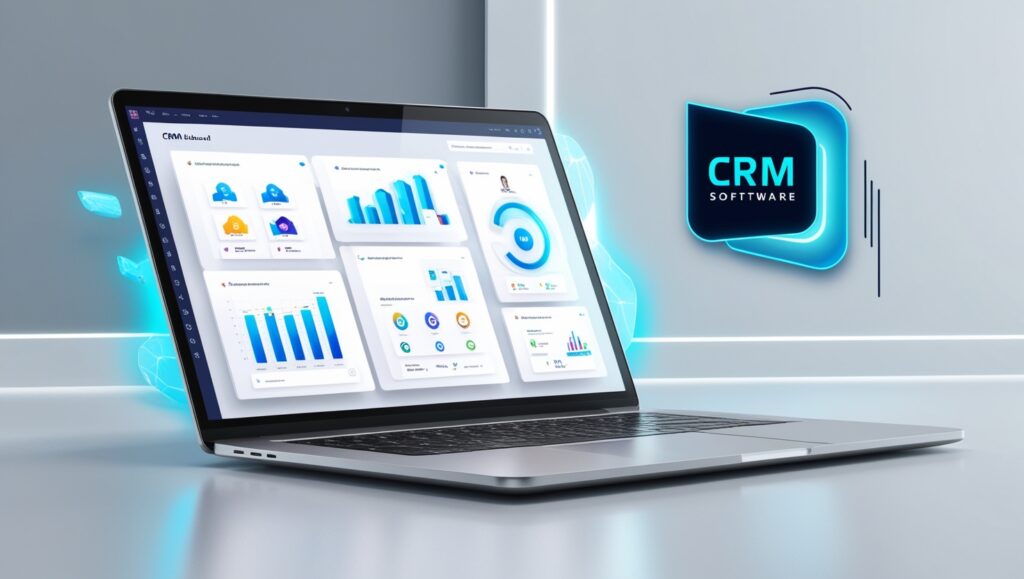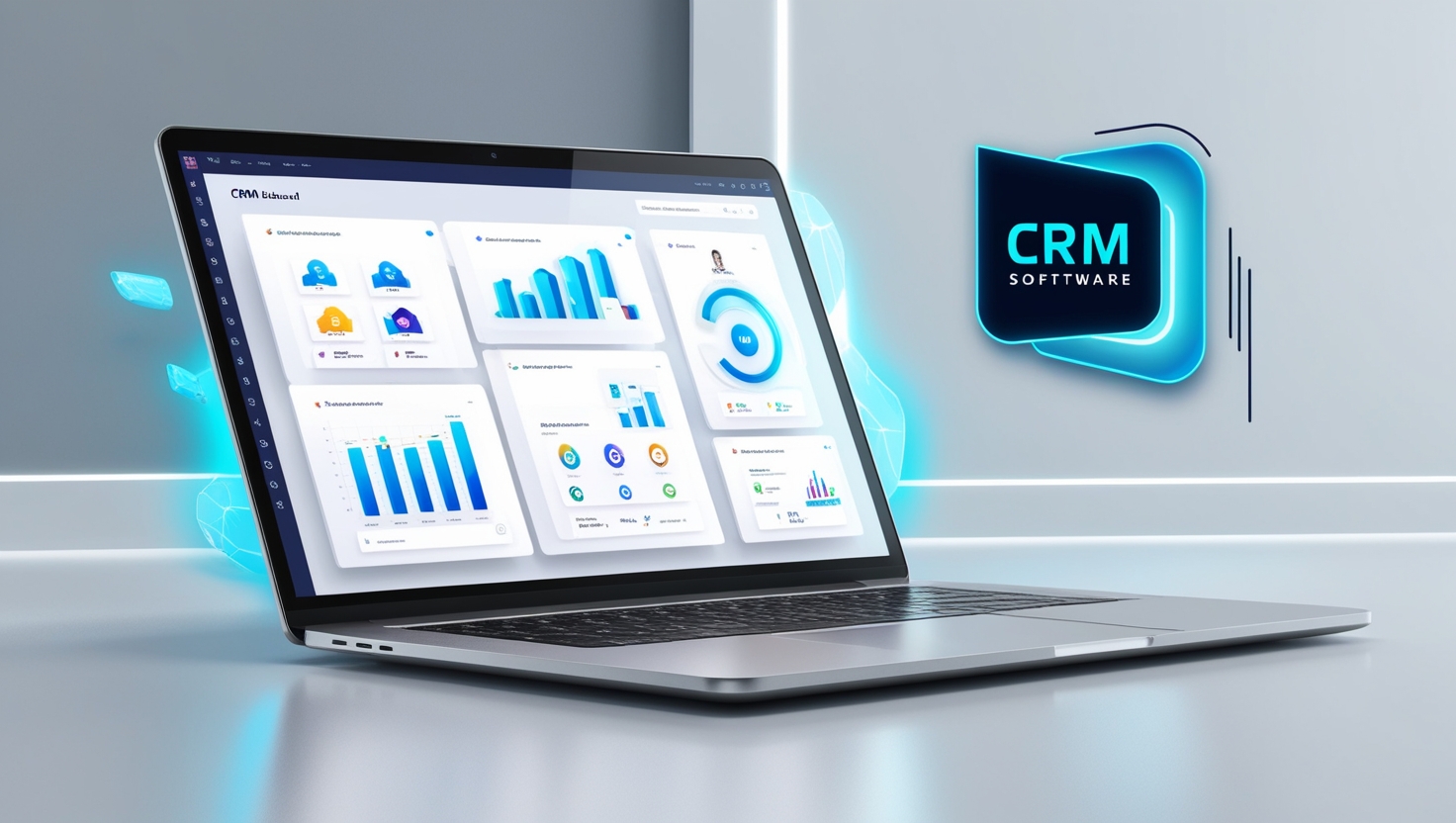
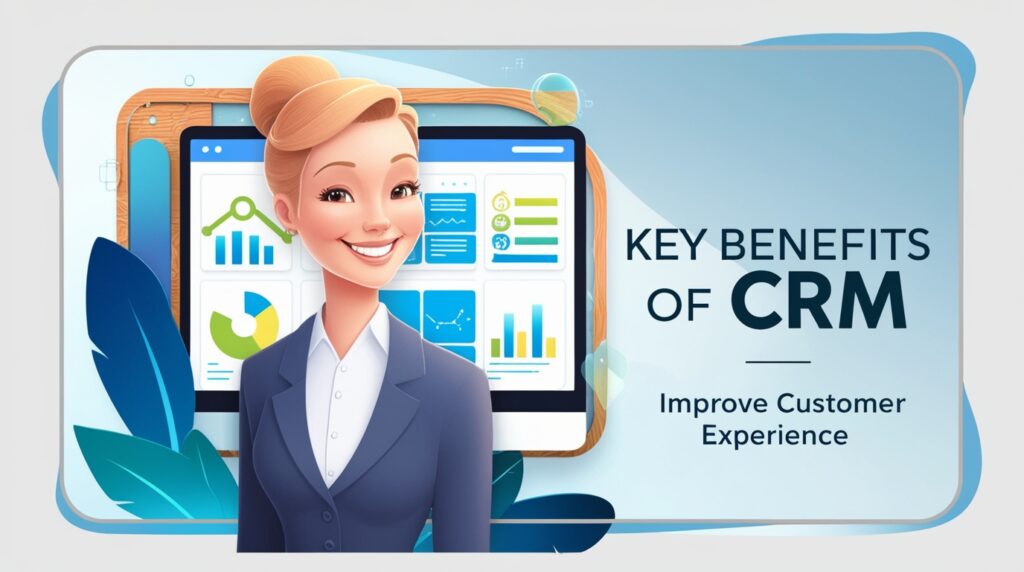
The key benefits of CRM include enhanced customer relationships and improved customer satisfaction. By providing a holistic view of customer interactions, CRM Systems enables businesses to tailor their approach, boosting loyalty and retention. These tools also streamline business processes, improve collaboration between marketing and customer service, and help identify opportunities to drive long-term growth.
What are the Key Benefits of CRM for Your Business?
| Key Benefit | Description |
|---|---|
| Improved Customer Service | Tracks interactions to better understand and anticipate customer needs. |
| Customer Relationship Management | Helps manage and strengthen relationships, fostering loyalty. |
| Enhanced Communication | Facilitates collaboration across teams, ensuring unified customer engagement. |
| Streamlined Processes | Automates tasks and improves efficiency, saving time and reducing errors. |
| Better Customer Insights | Provides data to understand customer preferences and behaviors, driving growth. |
How Can CRM Improve Customer Relationships
CRM helps businesses segment their customer base, improving relationships by providing a comprehensive view of interactions. It enhances communication, boosts customer satisfaction, and makes customer data easily accessible. Recognizing the benefits of CRM can strengthen customer connections, making it an essential tool for business growth and success.
The benefit of CRM in Customer Retention
- CRM enhances customer retention strategies by providing insights into customer behavior.
- Helps understand individual preferences, fostering customer loyalty.
- Streamlines communication and tracks customer interactions for better engagement.
- Identifies at-risk customers and enables proactive engagement.
- Ultimately boosts retention rates and strengthens customer relationships.
What Should You Consider When Choosing a CRM System?
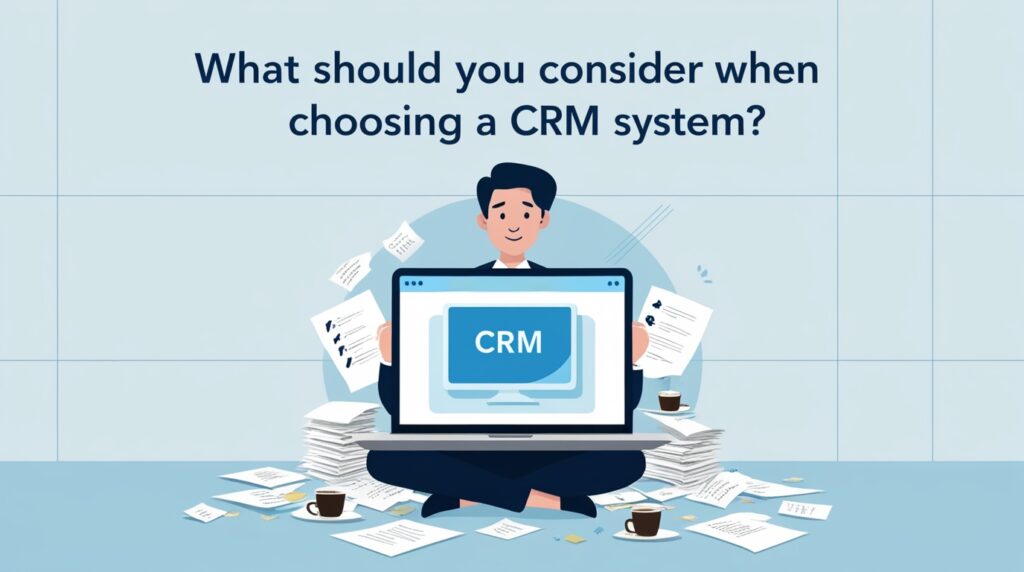
When choosing a CRM system, consider your organization’s specific needs and goals. Evaluate the features offered, such as automation and reporting capabilities, to ensure they align with your processes. Additionally, assess the integration options with existing tools and the overall user experience for team adoption.
Identify the Right CRM for Your Business Needs
- Evaluate specific business needs (sales tracking, customer engagement, reporting).
- Ensure the CRM is scalable to grow with your business.
- Look for user-friendly interfaces and integration with existing tools.
- Use free trials to test functionality and gather team feedback before deciding.
Benefits of Different CRM Platforms
| CRM Platform | Key Benefits |
|---|---|
| Automation-Focused | Reduces manual tasks, boosts efficiency. |
| Analytics-Focused | Provides insights for informed decision-making. |
| Sales Performance | Enhances sales processes and conversion rates. |
| Client Relationship | Strengthens customer relationships and loyalty. |
| Data Management | Improves data organization and accessibility. |
How Can Key Benefits of CRM Technology Enhance Customer Service?
CRM technology enhances customer service by providing a 360-degree view of customer interactions. It streamlines communication, helping agents resolve issues quickly and effectively. By tracking preferences and past interactions, CRM allows for personalized support, improving customer satisfaction. Ultimately, CRM boosts efficiency, ensuring timely responses and fostering stronger customer relationships.
Strategies Can Use CRM to Enhance Customer Experience
- Personalize Interactions: Use CRM to analyze customer data and tailor offerings to individual needs.
- Leverage Automation: Automate follow-ups and reminders to ensure timely and consistent customer communication.
- Integrate Feedback Mechanisms: Collect real-time customer insights to continuously improve services.
- Enhance Customer Support: Use CRM to track interactions and provide personalized solutions quickly.
What Benefits Does CRM Provide for Analyzing Customer Behavior?
CRM systems enhance the understanding of customer behavior by consolidating data from various touchpoints. This integration allows businesses to analyze patterns, preferences, and trends effectively.
Additionally, CRM tools facilitate personalized marketing strategies, leading to improved customer engagement and retention. By leveraging insights, companies can make informed decisions to optimize their offerings.
Use CRM for Targeting Prospects Effectively
- Target Prospects Effectively: Use data analytics to identify and segment potential customers based on behaviors and preferences.
- Personalized Communication: Tailor messages to individual prospects to increase engagement and conversion.
- Track Interactions: Enable sales teams to monitor interactions and follow up at the right time.
- Build Stronger Relationships: Foster trust through consistent and timely communication, driving sales growth.
Benefits of CRM in Managing Customer Information
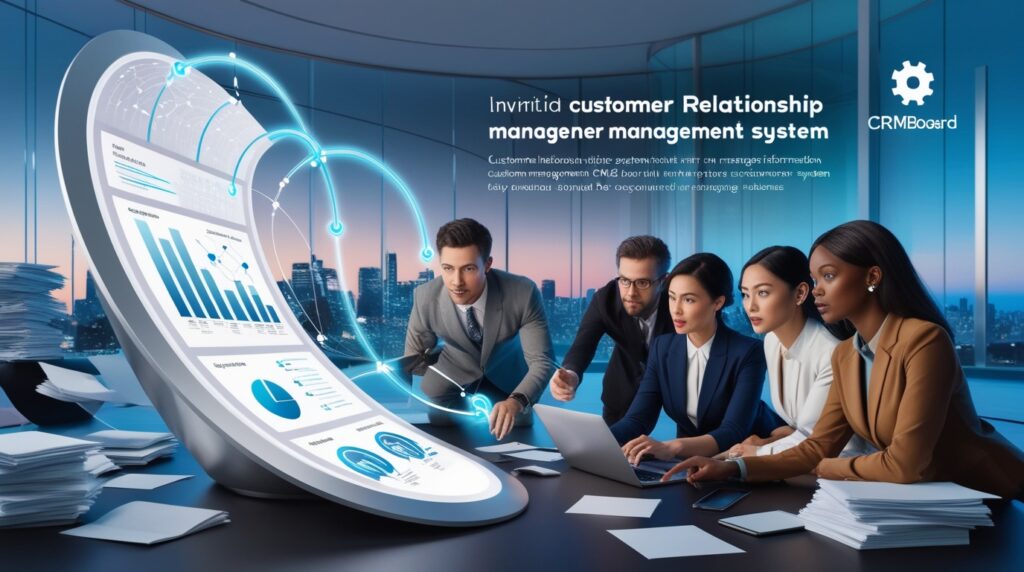
| Benefit | Description |
|---|---|
| Centralized Data | CRM systems organize and centralize customer information, providing easy access for all team members. |
| Personalized Communication | Enables businesses to interact with customers in a personalized manner, improving satisfaction and loyalty. |
| Data Analysis | Analyzing customer data helps identify trends and tailor strategies for better engagement. |
In Conclusion
The Key Benefits of CRM are crucial for businesses aiming to improve customer experience, drive growth, and enhance customer relationships. By centralizing data, streamlining communication, and providing valuable insights into customer behavior, CRM systems enable businesses to personalize interactions, boost customer retention, and increase efficiency. With features like automation and advanced analytics, CRM helps businesses stay ahead by offering targeted solutions and fostering long-term customer loyalty. Ultimately, leveraging these benefits can lead to stronger connections, better service, and sustained success.