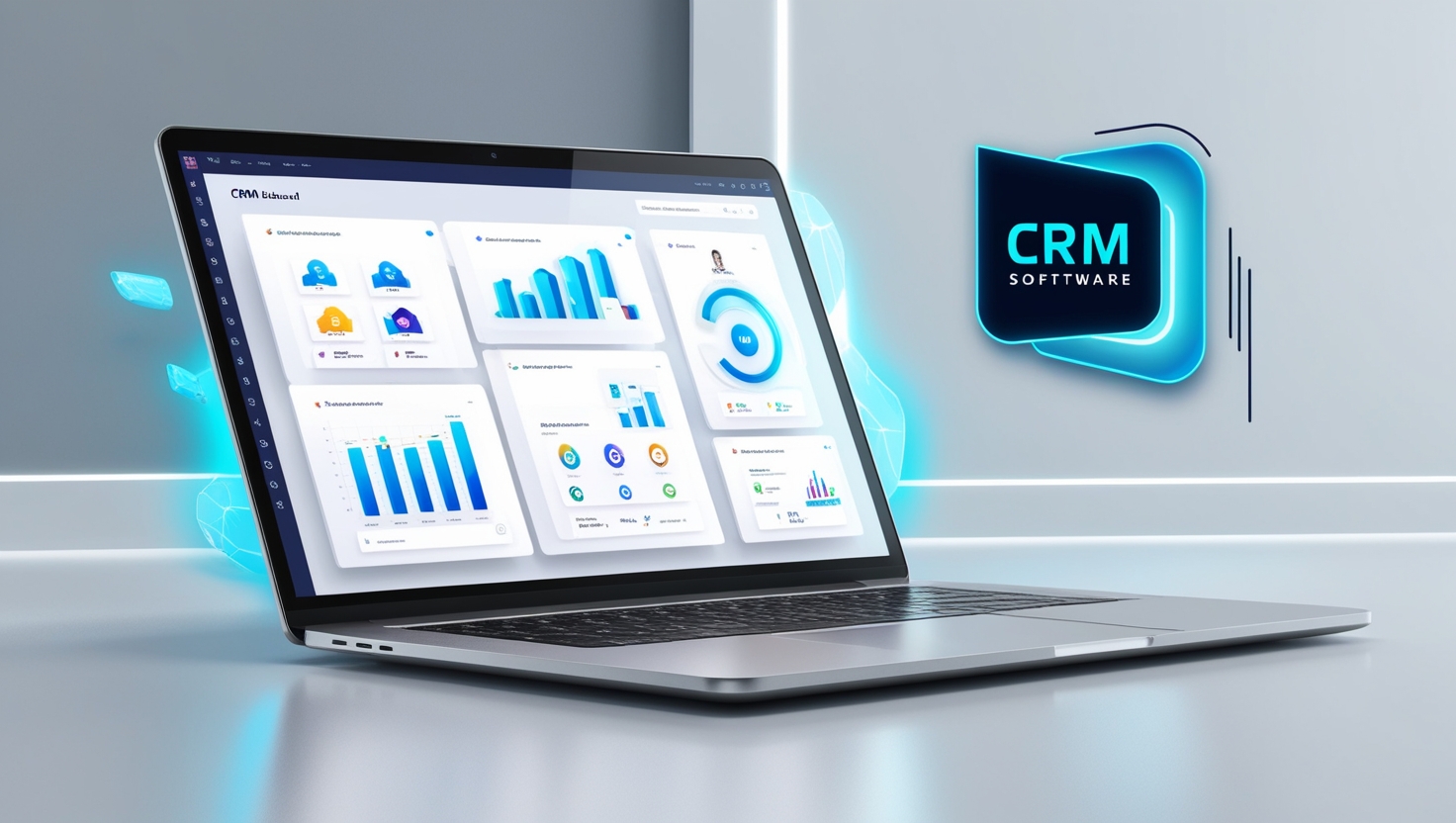
10 Essential CRM Features can help businesses improve customer retention, strengthen customer relationships, and boost long-term growth through better communication and automation. Implementing a CRM Solution with Customer Management Features can greatly enhance customer management and business success. Key features like contact management provide a clear view of customer interactions, enabling better service and improved retention. Integrating loyalty programs within the CRM fosters repeat business, while analytics help track engagement and customer preferences. Reporting tools offer insights to refine communication and build loyalty. With the right CRM, companies can reduce acquisition costs, foster stronger relationships, and drive growth. Investing in robust CRM tools positively impacts overall business performance.
What are the 10 Essential CRM Features for Customer Retention?
- Contact Management: Tracks all customer interactions for a complete view.
- Customer Segmentation: Groups customers based on behaviors and preferences.
- Lead Management: Manages and nurtures leads through the sales cycle.
- Analytics and Reporting: Provides insights into customer behavior and trends.
- Automation: Streamlines repetitive tasks to improve efficiency.
- Customer Support Tools: Manages support tickets and improves response times.
- Loyalty Program Integration: Incentivizes repeat business and enhances loyalty.
- Multi-Channel Communication: Connects with customers on preferred platforms.
- Workflow Automation: Simplifies processes for smoother customer interactions.
- Mobile Accessibility: Allows access to CRM data on the go.
CRM software improves customer relationships
CRM software enhances customer relationships by streamlining communication and delivering personalized experiences. With essential features, businesses can track interactions and preferences, ensuring tailored solutions. Effective CRM strategies boost retention by proactively engaging customers, resolving issues swiftly, and fostering loyalty and satisfaction.
CRM features help boost customer retention
- Personalized Interactions: Tailor offerings to individual customer needs.
- Behavior Tracking: Monitor customer behavior for targeted engagement.
- Automated Follow-Ups: Ensure timely check-ins to make customers feel valued.
- Reminders: Prompt teams to engage regularly, fostering loyalty.
- Customer Segmentation: Group customers for customized marketing strategies.
How Does CRM Help in Reducing Customer Churn?

CRM systems reduce customer churn by analyzing behavior to identify at-risk customers. Through personalized communication and proactive issue resolution, CRM strengthens relationships and boosts satisfaction. This approach ultimately enhances customer retention and fosters long-term loyalty.
Strategies can be Implemented Using a CRM Tool
- Automate communication for timely follow-ups and personalized interactions.
- Facilitate data analysis to identify trends and customer preferences for informed decisions.
- Use lead-scoring strategies to prioritize prospects and boost conversion rates.
- Integrate marketing automation to streamline campaigns and maintain consistent messaging across channels.
What are the benefits of using CRM for customer retention?
| Benefits of CRM Systems for Customer Retention | Description |
|---|---|
| Insight into Customer Behavior | Analyzes client behavior and preferences to tailor services and communication. |
| Enhanced Customer Relationships | Fosters stronger connections by personalizing interactions and meeting customer needs. |
| Timely Follow-Ups | Ensures timely communication, making customers feel valued and appreciated. |
| Personalized Marketing | Delivers targeted marketing that resonates with individual customers. |
| Increased Loyalty and Repeat Business | Builds customer loyalty, leading to higher retention and more repeat business. |
Role of CRM in managing customer journeys
| Role of CRM Systems in Managing Customer Journeys | Pros | Cons |
|---|---|---|
| Insight and Data Analysis | Provides valuable insights into customer interactions, preferences, and behaviors. | May require extensive data collection and management, which can be resource-intensive. |
| Personalized Experiences | Enables businesses to tailor communication, increasing customer satisfaction and loyalty. | Personalization can be challenging without accurate data or if customer preferences change frequently. |
| Optimized Touchpoints | Helps refine touchpoints across the journey, enhancing customer experience and engagement. | Requires regular updates and monitoring to ensure touchpoints remain relevant and effective. |
| Seamless Transitions | Ensures a smooth customer journey through each stage, supporting stronger customer relationships. | Implementing seamless transitions across all stages can be complex and may involve cross-departmental coordination. |
| Enhanced Retention and Loyalty | Increases customer retention by fostering trust and loyalty through consistent, relevant interactions. | Mismanagement of CRM can lead to customer dissatisfaction if interactions become too frequent or irrelevant. |
How can you analyze customer inquiries for better retention?

To enhance customer retention, analyze inquiries by categorizing them into common themes. This helps identify pain points and areas for improvement. Additionally, tracking response times and customer satisfaction can reveal trends that inform better service strategies. Regularly reviewing this data ensures a proactive approach to customer needs.
Customer Data is Essential for Improving Retention Rates
- Customer data is essential for understanding consumer behavior and preferences.
- Analyzing data helps businesses tailor offerings to enhance customer experience.
- Insights allow identification of at-risk clients, enabling targeted retention strategies.
- Proactive retention strategies boost retention rates and foster long-term loyalty.
In Conclusion
By implementing a CRM with the 10 Essential Customer Management Features, businesses can transform customer interactions and boost retention. Key features like contact management, customer segmentation, and multi-channel communication enable companies to engage effectively, anticipate needs, and strengthen relationships. With analytics and automation, CRM tools provide insights that drive proactive customer service, fostering loyalty and reducing churn. Investing in a CRM with these essential features empowers businesses to improve customer satisfaction, increase repeat business, and support long-term growth.